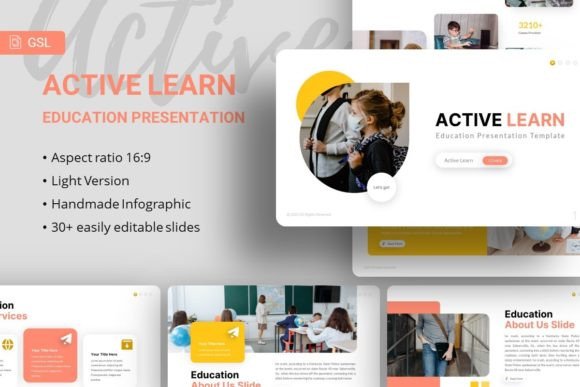
The Active Learn Approach: Leveraging Google Slides for Modern Education
The landscape of educational content creation is constantly evolving, demanding tools that are not only powerful but also accessible and engaging. Google Slides, as a core component of the widely-used Google Workspace suite, has emerged as a surprisingly versatile platform for this purpose. When paired with a pedagogical mindset focused on active learning—where students engage with material through analysis, discussion, and creation—it becomes a potent combination. The concept of an Active Learn Education template for Google Slides represents a deliberate effort to structure this versatile tool specifically for educational efficacy, moving beyond simple slide decks to create dynamic, interactive learning environments.
Understanding the Active Learning Framework in Digital Tools
Active learning opposes the passive reception of information. It requires students to participate cognitively and often collaboratively in the learning process. Digital presentation tools, when used thoughtfully, can facilitate this by providing a canvas not just for presenting facts, but for posing problems, showcasing interactive elements, and structuring collaborative activities. A template designed with this framework in mind pre-organizes slides for different learning phases: introducing a challenge, providing conceptual frameworks, incorporating pause points for reflection or discussion, and summarizing outcomes. This structural foresight saves educators time and ensures the digital tool aligns with the pedagogical goal.
Core Characteristics of an Education-Focused Slides Template
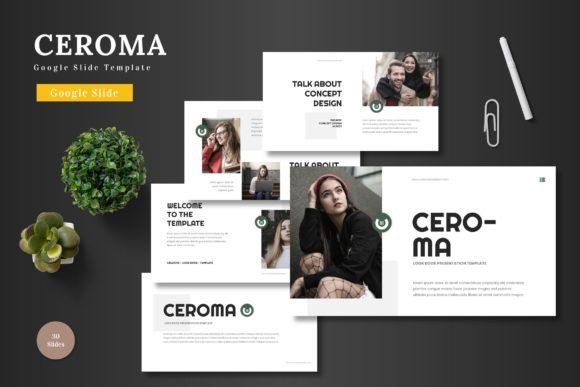
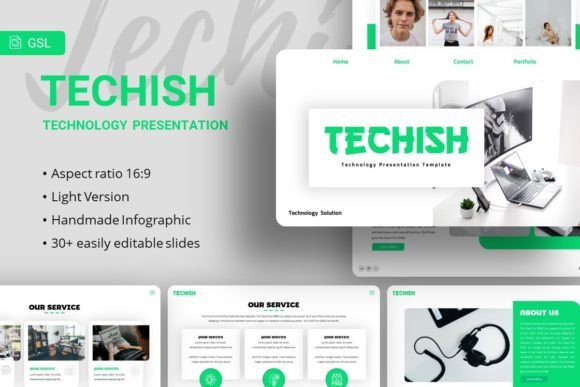
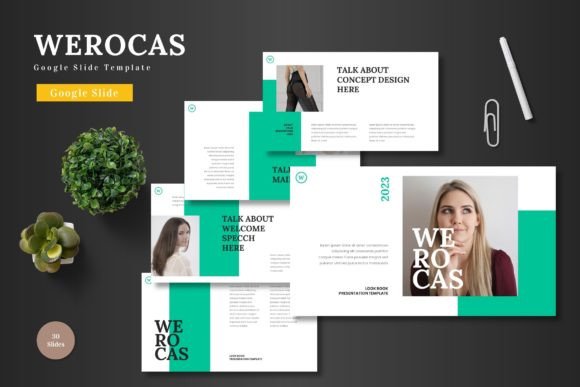
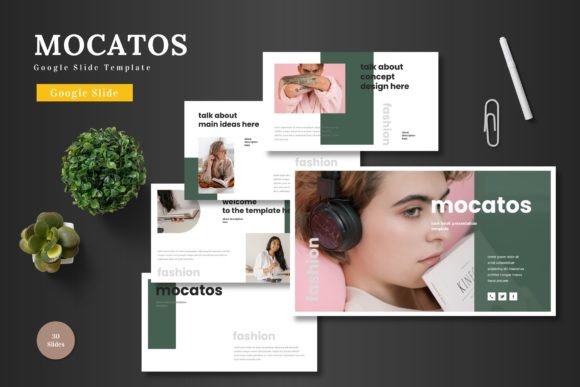
A specialized template, such as one conceived for Active Learn Education within Google Slides, embodies several key features. It typically offers a master slide-based design, ensuring consistency in fonts, colors, and layout across the entire presentation, which reduces cognitive load for viewers. The inclusion of handcrafted, customizable infographics is crucial; these allow educators to visually represent processes, hierarchies, data, and relationships in ways that text alone cannot. Pixel-perfect illustrations and resizable, editable graphic elements mean that an instructor can adapt diagrams, flowcharts, and icons to fit their specific lesson content without requiring advanced graphic design skills.
Furthermore, practical features like drag-and-drop picture placeholders streamline the process of inserting relevant imagery from sources like Unsplash, Pixabay, or Pexels, encouraging the use of high-quality visuals to support concepts. The availability of a comprehensive set of vector icons and a thoughtful selection of clean, readable fonts such as Inter and Lato contributes to a professional, distraction-free visual experience. These characteristics transform a generic slide deck into a structured educational instrument.
Broad Applications Beyond the Classroom
While the immediate application is in formal education, the utility of a well-designed Active Learn Education Google Slides template extends far beyond. The principles of clear communication, structured information delivery, and visual engagement are universal. Creative agencies can use it to pitch campaign concepts to clients, breaking down complex creative processes into understandable stages. Startups and businesses can employ it for investor pitch decks, where explaining a business model or technology requires the same clear, step-by-step visual scaffolding used to teach a scientific concept.
Company profiles and corporate presentations benefit from the infographics and clean layouts to present organizational structures, market analyses, and project timelines. Portfolios, whether for photography, design, or personal achievement, can use the template's narrative flow to tell a story rather than just display images. Even for hobbyists or researchers presenting findings at a community conference, such a template provides an easy-to-use framework that elevates the clarity and professionalism of their delivery. The template’s flexibility means it serves anyone who needs to inform, persuade, or explain in a structured visual format.
Key Advantages for Content Creators and Educators
The primary advantage is a significant reduction in technical overhead and time investment. Starting from a blank slate in any presentation software can be daunting. A template with 35 thoughtfully pre-organized slides, each potentially dedicated to a different purpose (title, agenda, concept introduction, case study, statistical breakdown, team overview, Q&A prompt), provides a jumpstart. This allows the creator to focus their energy entirely on content and pedagogy rather than design alignment and layout mechanics.
Another major benefit is enhanced pedagogical coherence. When an educator uses a slide deck that inherently includes sections for "Learning Objectives," "Interactive Poll," "Group Discussion Prompt," and "Key Takeaways," it gently enforces a lesson structure that incorporates active elements. This design encourages the instructor to plan for engagement points rather than a monolithic lecture. For the audience—students, clients, or investors—the advantage is improved comprehension and retention. Information presented with consistent visual language, clear hierarchies, and supporting graphics is more easily processed and remembered.
Practical Considerations for Implementation
To effectively leverage such a template, users should approach it as a flexible foundation, not a rigid script. The first step is a content audit and mapping: reviewing the lesson or presentation narrative and deciding which pre-built slide layouts correspond to each segment. Customization is essential; replacing placeholder text with specific content, adapting infographics to reflect relevant data, and inserting appropriate images are all necessary to make the template serve its purpose.
It is also important to consider collaborative features inherent to Google Slides. An Active Learn Education presentation can be shared with students or team members for real-time collaborative annotation, or used as a base for group projects where students populate different sections. Educators might also use the template to create "skeleton" presentations that students then complete as an assignment, actively engaging with the material by building the presentation itself. Attention should be paid to the fact that while the template provides the structure, the instructional design and content quality ultimately determine its effectiveness. The tool facilitates good pedagogy but does not replace it.
Observations on Trends in Educational Content Design
The rise of templates like this reflects a broader trend towards democratizing professional design in education and business. As visual communication becomes more central to knowledge transfer, the barrier to creating high-quality visuals is lowering. This shifts the competitive edge from who has the best graphic designer to who has the clearest content structure and most engaging instructional methodology. Furthermore, the integration of tools like Google Slides, which are cloud-based, universally accessible, and collaborative, supports modern, distributed, and hybrid learning and working environments. The focus is moving from static, linear presentations to more dynamic, interactive, and reusable digital assets that can be easily updated, shared, and repurposed.
In essence, an Active Learn Education Google Slides template is more than a set of pretty slides. It is a pre-built framework for cognitive engagement. It acknowledges that the medium through which information is delivered significantly impacts how it is received and processed. By combining the ubiquitous accessibility and collaborative power of Google Slides with a design philosophy tailored for active, visual learning, it empowers educators, trainers, business professionals, and creators to build presentations that are not merely viewed, but experienced and interacted with. The outcome is a more effective transfer of knowledge, whether the goal is to teach a student, persuade an investor, explain a process to a team, or showcase work to the world. The real-world relevance lies in its capacity to make sophisticated communication design a practical, everyday possibility for a broad audience.