Eat Play Sleep Repeat: The Rhythm of Modern Gaming Life
In a world where digital and physical realities blur, a simple three-word mantra has taken hold among gamers, creators, and anyone who understands the pull of a well-designed loop. Eat Play Sleep Repeat isn’t just a catchy phrase — it reflects a lived pattern, a cycle of focus and recovery that defines how millions structure their days. Whether you’re grinding through a ranked ladder, designing the next viral asset, or balancing freelance projects with personal hobbies, this rhythm resonates because it mirrors both the intensity and the release that modern life demands.
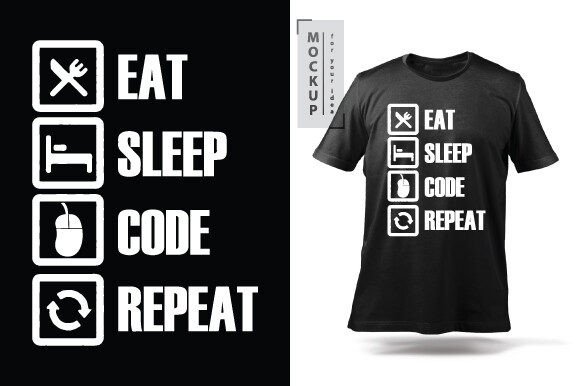
The phrase has moved beyond dorm room posters and gaming forums. It now appears on apparel, wall art, and digital graphics, often distilled into a visual that feels like a cross between a circuit diagram and a life coach’s flowchart. This is where the gamer daily activity life infographic steps in — a design that maps out the essentials of a day powered by caffeine, competition, and creativity. And for those who want to wear that philosophy or use it in their own projects, having the right source files makes all the difference.
The Philosophy Behind the Loop
At its core, Eat Play Sleep Repeat represents a cycle that many high-performance individuals recognize. Elite athletes, artists, programmers, and yes, gamers, have long understood that sustainable output requires deliberate oscillation between exertion and rest. The phrase strips away the complexity and leaves a reminder: take care of the fundamentals, and the rest follows. It’s not about mindless repetition, but about iterative improvement — each loop a chance to refine skills, recover better, and engage more deeply.
This mindset fits neatly into the routines of those working in bursts. A typical day might start with a focused work session, followed by a gaming break that sharpens reflexes, a meal that fuels the next push, and finally rest that consolidates learning. The infographic aesthetic simply visualizes this cadence, turning a daily schedule into something that feels almost like a game interface. It’s no wonder that designs built around this concept have become popular across merchandise, streaming overlays, and community content.
Why This Cycle Resonates with Gamers and Creatives
Gaming culture has always celebrated the grind — the long hours, the incremental progress, the occasional all-nighter that leads to a breakthrough. But in recent years, the conversation has shifted toward balance. Burnout is real, and the most successful streamers, esports players, and content producers openly discuss the need to step away, eat well, and sleep enough to perform. The Eat Play Sleep Repeat design encapsulates that evolved awareness. It’s a nod to discipline, not just indulgence.
For creative professionals — graphic designers, marketers, bloggers, small business owners — the appeal is similar. Many of them grew up with gaming as a backdrop to their creative development. They understand the symbolism of a health bar, a progress wheel, or an inventory slot. When they see an infographic-style breakdown of daily actions, it triggers a sense of control and optimization. It’s both nostalgic and aspirational, which makes it a compelling visual for everything from t-shirt designs to motivational prints.
From Screen to Street: The Rise of Gamer Apparel
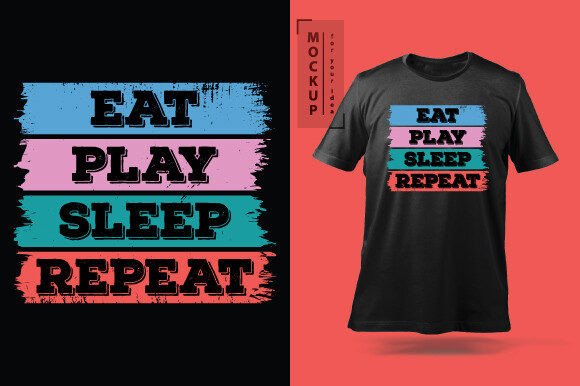
Gamer t-shirts have long been a staple of casual identity. What’s changed is the sophistication of the designs. No longer limited to oversized logos or in-joke references, modern gamer apparel often incorporates clean vector art, subtle typography, and layouts that work equally well on a hoodie or a phone case. The gamer t-shirt design based on the Eat Play Sleep Repeat daily activity infographic is a prime example. It takes a concept that’s inherently digital — the cycle diagram — and translates it into a wearable statement that’s minimalist enough to wear beyond the convention floor.
This shift reflects broader lifestyle trends. Streetwear and techwear have borrowed heavily from gaming aesthetics, and consumers expect apparel that tells a story. A design that illustrates the flow from morning coffee to late-night ranked matches, all in crisp vector lines, satisfies that demand. For small business owners and print-on-demand entrepreneurs, having a design that speaks this visual language while remaining versatile across products is a practical advantage.
How an Infographic Captures the Daily Grind
Infographics distill complexity into clarity. A well-made gamer daily activity life infographic doesn’t just list tasks — it visualizes rhythm, proportion, and progression. You might see icons for a protein-rich meal, a controller or keyboard, a bed, and then circular arrows leading back to the start. The layout often mimics a cycle wheel or a timeline, with each segment color-coded for different types of energy. This visual structure taps into the same cognitive appeal as a dashboard or a character stat screen, making it instantly readable.
When that infographic is translated into a t-shirt design file, it opens up creative possibilities. You can scale it, modify colors, add custom text, or integrate it into a larger composition. The design becomes a template for personal expression — whether you’re printing a single shirt for yourself or creating a limited run for a community event. The key is starting with a high-quality, original vector file that maintains integrity across sizes and materials.
The Design That Speaks Volumes
What makes this particular design bundle stand out is its completeness. You’re not just downloading a raster image that pixelates when enlarged. You receive 100% original design elements that have been crafted with attention to line weight, balance, and printable output. The infographic style is intentionally modular, so you can isolate components, rearrange elements, or even animate sections if you work with digital media. The authenticity of a fully original design also matters for branding — there’s no risk of inadvertently using clip art that appears on dozens of other stores.
Because the design focuses on a universal daily loop rather than a specific game, it appeals to a broader audience. A Minecraft player, a competitive FPS grinder, and a retro console collector can all see a bit of their routine in the graphic. That versatility is valuable for businesses that want to appeal to the culture without alienating any sub-community.
What You Actually Get in the Printable Bundle
For creators, marketers, and entrepreneurs, the practical details matter as much as the concept. This package delivers exactly what you need to take an idea from screen to product. Here’s what’s included, along with why each format serves a distinct purpose:
- 1 AI (Adobe Illustrator) file — The master vector document. Fully editable layers, colors, and shapes. Ideal for professional printers, apparel mockups, and any deep customization.
- 1 EPS10 file — A universal vector format compatible with CorelDRAW, Affinity Designer, and older software. Essential for sending to print shops that require an Encapsulated PostScript file.
- 1 transparent PNG file — High-resolution raster image with no background. Perfect for quick mockups, social media graphics, or dropping directly onto a product in an e-commerce platform.
- 1 JPEG file — A flat, high-quality preview or ready-to-print version for those who need a simple, shareable image without additional software.
All files are compressed into a single ZIP archive. To access them, you simply extract the contents. If you’re on Windows, you can right-click the ZIP and choose “Extract All” or use tools like WinZIP or WinRAR. On a Mac, double-clicking the ZIP will automatically extract the folder. For those who prefer open-source options, utilities like 7-Zip work flawlessly. Once extracted, you’ll have a folder with every format, ready to open in your preferred application.
This structure gives you complete control. Use the vector files to scale the design to a billboard or a coffee mug without losing fidelity. Use the PNG to quickly preview how the Eat Play Sleep Repeat graphic looks on different colored backgrounds. The JPEG serves as a handy reference, and you can even send it to a friend for a quick vote on placement. The combination ensures you’re never stuck waiting for a specific file type when inspiration strikes.
Practical Ways to Use the Files
Once you have the high-resolution printable file and all source formats, the applications are far-reaching. Here are a few grounded examples that align with how our audience works:
- Apparel production: Print the infographic on t-shirts, hoodies, or tank tops using direct-to-garment or screen printing. The vector files ensure sharp edges even on large prints.
- Content creation: Bloggers and streamers can incorporate the design into overlays, banners, or thumbnails. The transparent PNG drops easily onto any background, while the editable AI file lets you match brand colors.
- Printable wall art: Frame a high-quality print for a home office, gaming room, or maker space. The cycle graphic serves as a conversation starter and a personal reminder of balanced productivity.
- Marketing collateral: Freelancers and agencies can use the infographic concept to create presentations, social posts, or lead magnets that speak to productivity and lifestyle audiences with a playful edge.
- Product expansion: Small business owners can adapt the design for mugs, phone cases, stickers, or notebooks, building a cohesive brand around the gaming-meets-productivity niche.
The consistent thread is originality. Because you start with a 100% original design, you avoid the legal and ethical headaches that come with using unlicensed or overused assets. This also supports better SEO and brand trust if you sell merchandise online — customers increasingly look for authenticity and quality over mass-produced knockoffs.
Why This Matters for Modern Workflows and Lifestyle Shifts
We’re living through a period where work, play, and rest boundaries have dissolved more than ever. Remote work, hybrid schedules, and the gig economy mean that many people’s days resemble the Eat Play Sleep Repeat loop in literal ways. They grab a quick meal between video calls, unwind with a mobile game, and nap when the flow allows. A visual that validates this rhythm without judgment is both comforting and motivating. It says: “Your pattern is valid, and you can refine it.”
For entrepreneurs who design lifestyle products, this shift represents an opportunity. Customers aren’t just buying a t-shirt; they’re buying a badge that reflects their daily reality. The gamer daily activity infographic doesn’t promise six-hour sleep and kale smoothies — it nods to the real, sometimes messy, beautiful cycle of life. That honesty aligns with current market preferences for brands that value authenticity over perfection.
Observations Without Hype
It’s easy to get swept up in trends and claim that a single design will transform a business or a mindset. The truth is more nuanced. The Eat Play Sleep Repeat graphic works because it’s a tool, not a miracle. A business owner who combines this design with a solid marketing strategy, quality products, and genuine community engagement will see results. A freelancer who uses the vector file to create a one-off personal shirt will enjoy wearing it. In both cases, the value lies in the execution and the thoughtful use of a well-crafted asset.
What’s worth noting is how digital asset bundles like this lower the barrier to professional-quality production. Ten years ago, you’d need to hire an illustrator for a custom vector illustration, negotiate file delivery, and hope the formats worked with your printer. Now, a single download gives you everything you need, and the learning curve to adjust a color or add a slogan is minimal. That democratization empowers smaller players to compete and express themselves visually.
Recommendations for Getting the Most from the Design
If you decide to work with this gamer t-shirt design bundle, a few practical tips can save you time and improve output:
- Always start with the AI or EPS10 file for any serious editing. The vector paths are clean and scalable, so you can resize without artifacts.
- Use the PNG for rapid prototyping. Drag it into a tool like Canva, Photoshop, or even a PowerPoint slide to test placement on apparel templates before committing to a final print run.
- Keep the ZIP backup. Store the original compressed folder in your cloud drive. If you ever lose a working file, you can extract a fresh copy without hunting for licenses.
- Consider color variations. The AI file allows you to recolor elements in minutes. A monochrome version might suit a minimalist brand; a neon palette could catch eyes at a gaming event.
- Respect the original design but make it your own. Add a gamertag, a motivational quote, or even split the cycle into separate icons for sticker sets. The foundation supports adaptation.
These small habits honor the effort that went into creating the original art while letting your creativity take the lead. They also help you avoid technical snags when you’re rushing to meet a launch deadline or prepare for a pop-up shop.
The Bigger Picture of Lifestyle Graphics
We’re seeing a quiet renaissance in personal productivity visuals. Bullet journals, habit trackers, and cycle diagrams have moved from niche communities to mainstream culture. The gamer twist on such graphics isn’t a fad — it’s a recognition that play is a legitimate category of human activity, as worthy of documentation as exercise or sleep. The Eat Play Sleep Repeat infographic becomes a small act of cultural validation, and wearing it can spark conversations about how each person structures their ideal day.
For professionals who create content around these themes — whether it’s a blog about work-life integration, a YouTube channel on gaming setups, or a productivity newsletter — having original visual assets sets your work apart. You aren’t reusing stock imagery that readers have seen a dozen times. You’re building a cohesive visual language that includes custom infographics, and that strengthens your brand in subtle but meaningful ways.
The loop continues. You eat, you play, you sleep, and you repeat. Somewhere in that cycle, you also create, you market, you sell, and you connect. Having the right files in your toolkit means you spend less time fighting with formats and more time doing the things that move your projects forward. That’s a rhythm worth repeating.