Green Horizontal Page Banner: A Design Element for Modern Digital Presentation
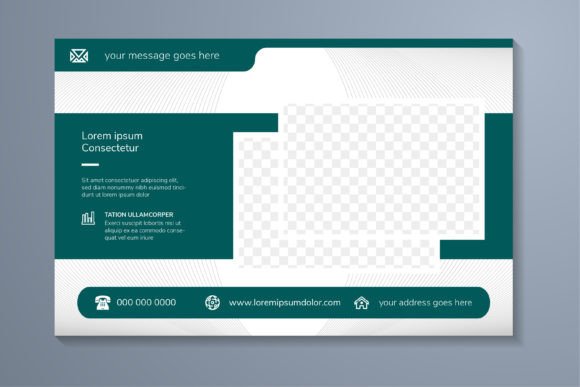
In the landscape of digital communication, visual hierarchy and aesthetic clarity are paramount. Among the tools that creators employ to achieve this, the Green Horizontal Page Banner stands out as a specific, yet highly versatile, design component. It is more than just a graphic; it is a structured layout solution designed for web pages, presentations, and marketing materials, characterized by a horizontal orientation, a prominent green color element, and integrated spaces for photography and descriptive text. Often enhanced with transparency, curve line patterns on white backgrounds, and infographic icons, this banner format represents a synthesis of clean design and functional utility.
The Anatomy of a Contemporary Design Standard
A Green Horizontal Page Banner is typically a wide-format graphic section that serves as a headline or introductory module. The "green element" acts as a visual anchor, often associated with themes of growth, sustainability, freshness, or calm—psychological associations that designers leverage to set a tone. The incorporation of a dedicated space for a photo alongside text allows for immediate context setting, blending narrative with imagery. The transparency and curved line patterns introduce a layer of modern sophistication, breaking the flatness of traditional banners and guiding the viewer's eye across the composition. The inclusion of infographic icons further elevates its purpose, transforming the banner from a mere header into a micro-infographic that can summarize key points at a glance.
Alignment with Broader Design and Industry Trends
The relevance of such a dedicated banner design intersects with several prevailing trends. Firstly, the demand for embedded visual storytelling is rising. Audiences, especially professionals and entrepreneurs, seek immediate comprehension. A horizontal banner that combines image, text, and data symbols delivers a condensed story upfront. Secondly, the push for brand consistency across multiple platforms requires design assets that are adaptable. The fact that this file is offered in high-resolution 300dpi and 100% vector formats (AI, EPS, SVG, JPG) speaks directly to this need. Vector graphics ensure scalability without loss of quality, essential for maintaining a professional appearance from website hero sections to printed brochures.
Moreover, the trend towards efficient and editable design workflows is significant. The description "Well organized. Editable text, shapes and color" highlights a shift from static, finished graphics to dynamic templates. Freelancers and marketing teams operate under tight deadlines; having a fully editable foundation allows for rapid customization without requiring deep graphic design expertise from every team member. This empowers a broader range of creators to produce high-quality visuals.
Why Professionals Are Paying Attention
The attention given to specific design templates like the Green Horizontal Page Banner stems from evolving needs. The digital audience's preference for clean, information-rich layouts has made cluttered or purely decorative designs less effective. This banner format offers a balance: it is visually distinctive through its color and patterns, yet its primary function is organization and communication. For marketers, it provides a ready-made structure that adheres to principles of good UX/UI, where clear visual sections improve user engagement and information retention.
Furthermore, the emphasis on high-resolution and multi-format delivery addresses the multi-channel reality of modern business. A single project might need assets for a website (SVG for web, JPG for content), a client presentation (editable AI file for last-minute changes), and promotional materials (EPS for print). Offering the banner in these varied formats eliminates production bottlenecks, a practical consideration that resonates deeply with entrepreneurs and enthusiasts who manage end-to-end processes.
Changing Needs and the Banner's Relevance
Workflows and expectations have shifted towards integration and speed. The standalone graphic designer working in isolation is increasingly part of a collaborative, cross-functional team. A well-organized, editable banner file becomes a shared asset. A content writer can suggest text changes, a marketing manager can adjust the green hue to better match a campaign palette, and a web developer can easily implement the SVG version. This flexibility mirrors the broader development of agile and modular creative processes across industries.
From a consumer and lifestyle perspective, the aesthetic itself—green, with organic curves and transparency—aligns with a cultural leaning towards designs that feel natural, soft, and trustworthy. In a digital environment often perceived as harsh or transactional, these design elements can subtly enhance perceived brand value and user comfort.
Practical Applications and Observations
Consider a few practical examples:
- A freelance consultant uses the Green Horizontal Page Banner as the top section of their service offerings webpage. The photo space holds an image of them working collaboratively, the text area clearly states their core value proposition, and the infographic icons subtly highlight their three main service pillars.
- A tech startup employs it in their investor pitch deck. The green color conveys growth potential, the curves and transparency add a modern, tech-savvy feel, and the editable shapes allow them to quickly insert their logo and adjust colors to match their brand precisely before each meeting.
- An online educator utilizes the banner as a header for their course modules. The consistent structure across different lessons provides a cohesive learning environment, while the high-resolution JPG ensures it looks sharp on any student's device.
These observations show that the utility of the banner transcends a single use case. It functions as a design framework, a starting point that ensures visual coherence and professional quality across diverse applications.
Connection to Larger Developments
The significance of such design resources connects to the larger democratization of professional tools. Just as software platforms have made advanced video editing, website building, or data analysis accessible, high-quality, editable graphic templates empower non-specialists. They reduce the barrier to creating visually compelling materials, allowing entrepreneurs, marketers, and enthusiasts to compete in a visually-driven marketplace. This aligns with the macro-trend of creative empowerment through technology.
Furthermore, the specific focus on a "Green Horizontal Page Banner" reflects a maturation in digital asset markets. Instead of generic, all-purpose graphics, there is a growing supply of niche, purpose-optimized templates. This allows buyers to find solutions that closely match their specific contextual needs—whether that context is environmental branding, health and wellness content, or financial reporting requiring clear data presentation through icons.
In conclusion, the Green Horizontal Page Banner with its described features is not merely a graphic file. It is a response to contemporary demands for speed, adaptability, aesthetic relevance, and multi-platform readiness. It embodies the convergence of thoughtful design psychology—through color and form—with practical production requirements—through resolution and file format versatility. For professionals, creators, and businesses aiming to communicate effectively and efficiently in today's digital ecosystem, leveraging such structured, high-quality design elements is becoming an integral part of a successful visual strategy.